
VC Returns from China, Expresses Concern for Western Competitiveness
Summary
A venture capitalist, after a luxurious trip to Shanghai, expresses a strong opinion that the West is significantly lagging behind China in some unspecified competitive aspect.
Why it matters
Perceptions of global competitiveness, especially from investors, can influence investment flows, strategic partnerships, and national policy discussions regarding innovation and economic growth.
How to implement this in your domain
- 1Monitor reports and analyses on global innovation and economic competitiveness.
- 2Benchmark your industry's progress against international counterparts, particularly in emerging markets.
- 3Engage in discussions about fostering innovation and talent retention within your region.
- 4Diversify market strategies to account for shifts in global economic power.
Who benefits
Key takeaways
- A VC perceives the West as lagging behind China.
- This sentiment is based on observations during a trip to Shanghai.
- Such opinions can influence investment and strategic thinking.
Original post by @swyx
"[40something VC who just came back from a week in Shanghai, staying at the best Marriotts, chauffeured in the latest Audis and BMWs, bag full of LV, Chanel and Lancôme for the wife] "Let me tell you, I just came back from China and my god the West is so cooked""
View on XOriginally posted by @swyx on X · view source
Want to go deeper?
Turn these trends into skills with Learnijoy's hands-on AI & tech courses.
Explore coursesMore in AI Investing
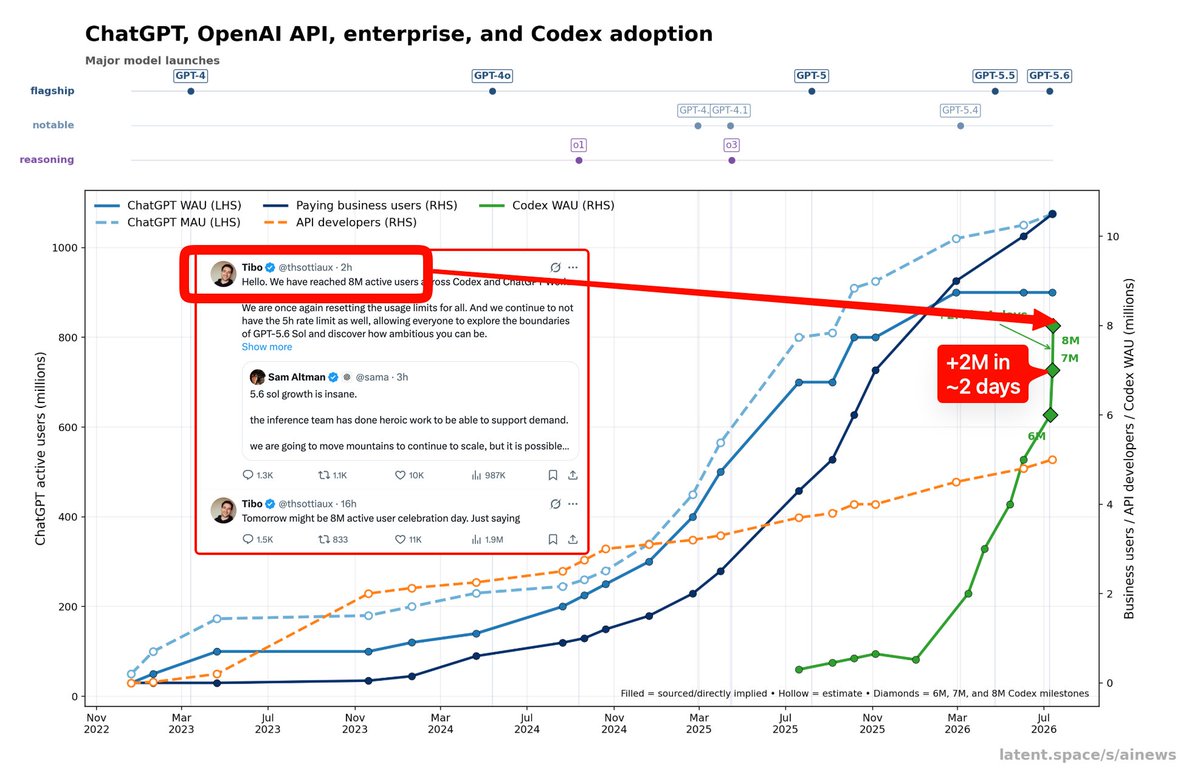
OpenAI's GPT 5.6 Launch Predicted to Be Highly Successful
An observer speculates that the upcoming GPT 5.6 launch could be OpenAI's most impactful model release since ChatGPT, potentially influencing the company's future IPO valuation.
Financing AI Growth: Exploring Funding Mechanisms
This document explores various methods for financing the rapid expansion of the AI industry, ranging from traditional cash flow management to leveraging debt instruments.
Next-Gen Consumer Businesses May Monetize Via Data Sales.
The author speculates that future on-demand consumer businesses might achieve sustainable unit economics by selling data, rather than relying primarily on advertising as previous generations did.