
Endurance Cyclist Uses ChatGPT as Sole Trainer for Antarctic Expedition.
Summary
An endurance cyclist, James Benson-King, is preparing for an unprecedented solo, unsupported ride across Antarctica to the South Pole, using ChatGPT as his exclusive trainer. He credits AI with compressing three years of preparation into one, even troubleshooting issues in the field.
Why it matters
This story demonstrates a novel and extreme application of generative AI for highly personalized, multi-disciplinary training and problem-solving, showcasing its potential beyond typical business use cases.
How to implement this in your domain
- 1Explore using generative AI tools to create personalized training plans for complex skill development within your team.
- 2Pilot AI as a knowledge base or troubleshooting assistant for niche technical challenges.
- 3Encourage employees to experiment with AI for personal development or project planning.
- 4Evaluate AI's capability to synthesize information from multiple domains for integrated solutions.
Who benefits
Key takeaways
- ChatGPT can serve as a comprehensive, multi-disciplinary personal trainer.
- AI can significantly accelerate complex preparation processes.
- Generative AI is capable of real-time problem-solving in challenging environments.
Original post by @TheRundownAI
"This endurance cyclist is preparing to attempt what no one has done: ride solo and unsupported across Antarctica to the South Pole. The expedition, slated for this November, means roughly two months alone on the ice, hauling a sled of supplies through temperatures below minus 40…"
View on XOriginally posted by @TheRundownAI on X · view source
Want to go deeper?
Turn these trends into skills with Learnijoy's hands-on AI & tech courses.
Explore coursesMore in AI News & Tools
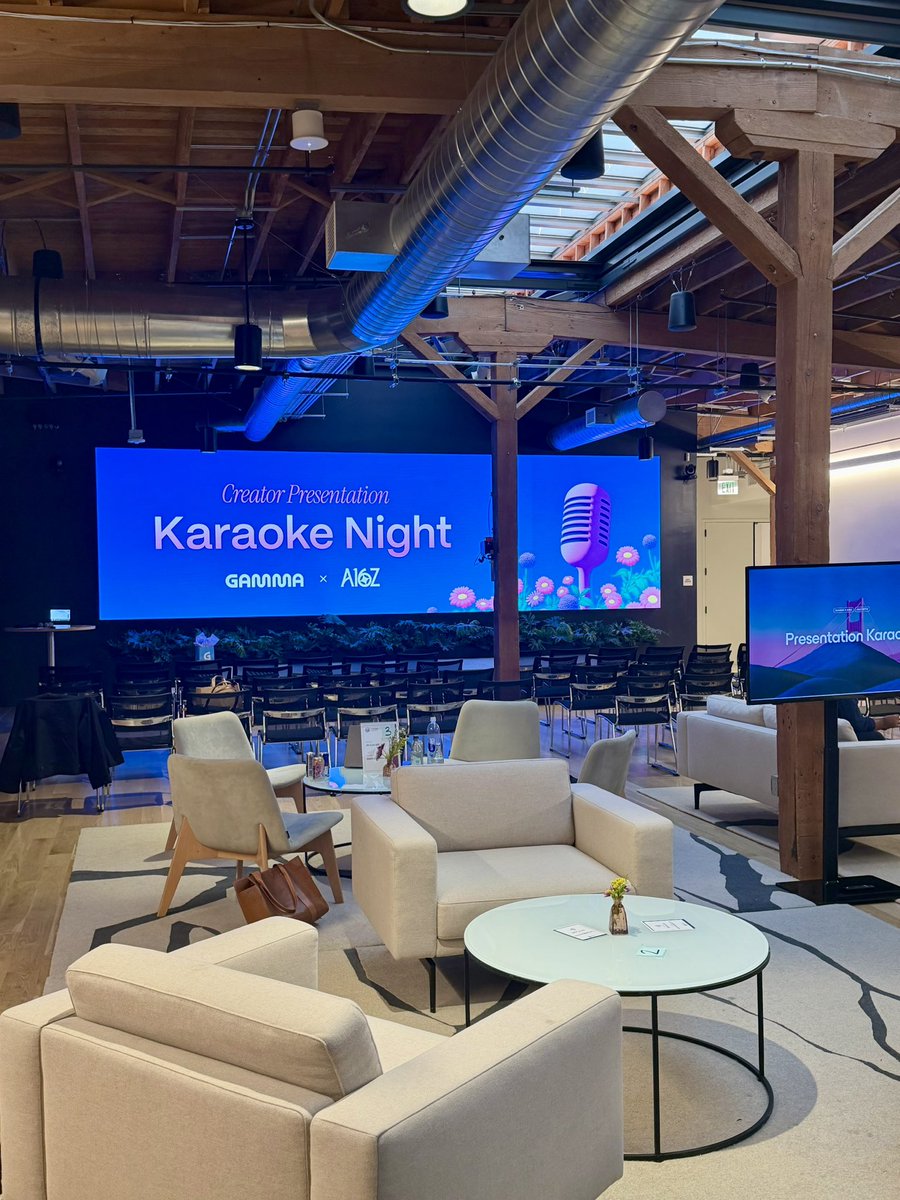
Gamma App Launches New Studio Mode
Gamma App showcased its new Studio mode at an a16z event, alongside engaging presentations. The new feature is recommended for creators.
New Metric Assesses Fairness in Private Machine Learning.
Researchers introduce the Privacy-Cost Equity Ratio (PCER), a new group fairness metric for differentially private machine learning that considers privacy cost as a form of harm. PCER measures a group's benefit relative to its privacy exposure, revealing fairness patterns missed by outcome-based metrics.
Compact CNNs for Real-Time Drone Detection via RF Emissions.
This study explores lightweight convolutional neural networks for detecting first-person-view drones by analyzing their radio-frequency emissions. The approach uses rasterized time-domain images for efficient processing on embedded systems, achieving high accuracy with low computational cost.