
Sam Altman on AI's Impact on Future of Work
Key takeaways
- Perceptions of "real work" are historically fluid and evolve with technology.
- AI will likely transform, not eliminate, the nature of human employment.
- Human adaptability and fundamental drives will lead to new forms of work.
- Short-term job transition challenges are expected, but long-term optimism is warranted.
Who benefits
Summary
Sam Altman suggests that concerns about AI taking jobs echo historical shifts, where past generations might not recognize modern work as "real." He believes human drives will ensure new forms of meaningful work emerge, despite short-term transition worries.
Why it matters
This perspective helps professionals contextualize the ongoing debate about AI and employment, encouraging a long-term view on career evolution and the potential for new types of work to emerge.
How to implement this in your domain
- 1Reflect on how your current role might evolve with increasing AI integration.
- 2Identify new skills that complement AI capabilities rather than compete directly.
- 3Engage in continuous learning to adapt to changing job market demands.
- 4Explore opportunities where human creativity and problem-solving remain paramount.
- 5Participate in discussions about the ethical and societal implications of AI in the workplace.
Original post by @rowancheung
"On AI taking jobs: A farmer from 50 years ago would say your job today isn't real work. When I interviewed Sam Altman a few months back, this was how he explained the future of work: "Not only would they not believe you that this thing was gonna happen, they very likely would loo…"
View on XPrimary sources
Originally posted by @rowancheung on X · view source
Want to go deeper?
Turn these trends into skills with Learnijoy's hands-on AI & tech courses.
Explore coursesMore in AI News & Tools
Automated Web Insight Extraction with Amazon Bedrock AgentCore Browser
This post details how to build an automated solution for extracting insights from multiple websites using Amazon Bedrock AgentCore Browser, Bedrock, OpenSearch Serverless, and AWS Lambda. The system monitors RSS feeds, renders web pages, and makes AI-extracted insights searchable.
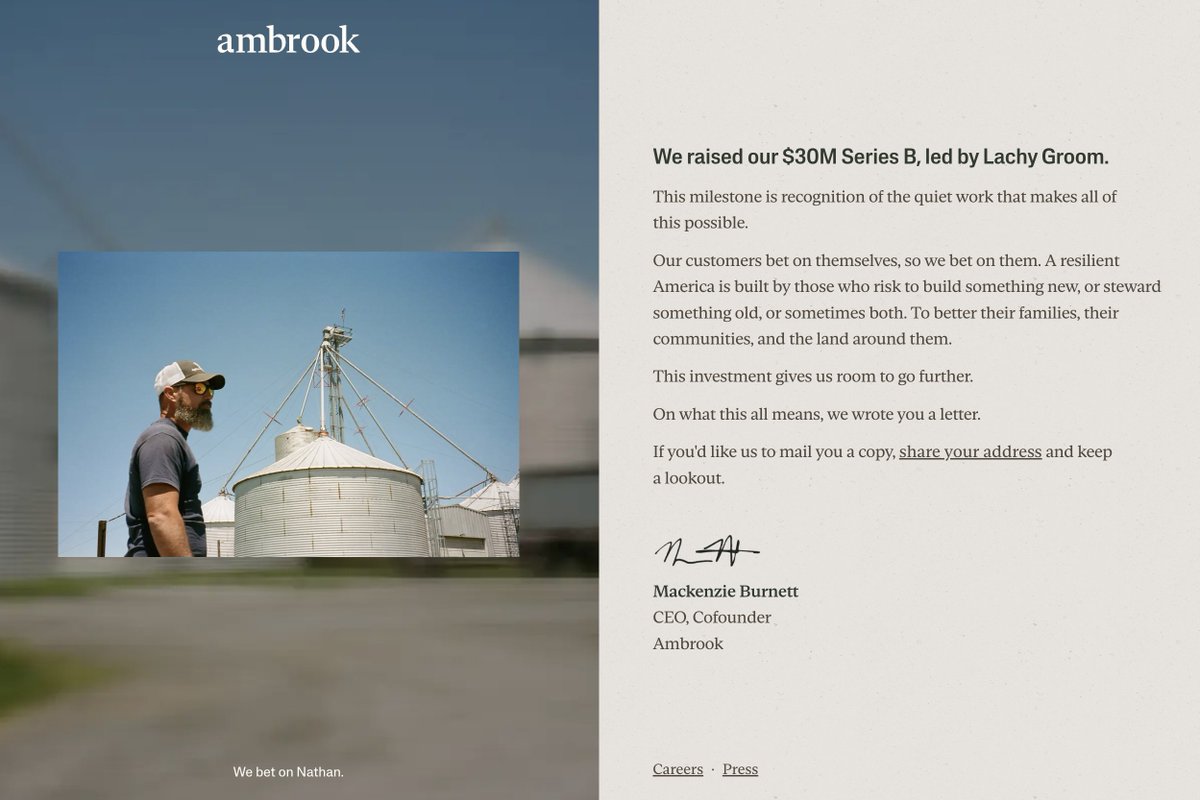
Ambrook's Unique Marketing Strategy Emphasizes Customer Focus
The post praises Ambrook's approach to building its brand, highlighting a simple announcement site that focuses on its target customers and intentionally slows down the information delivery by using a physical letter for further details. This strategy is seen as a form of earned differentiation.
Texas Mandates Audits for New Data Center Grid Connections
Texas Governor Greg Abbott has directed state utility commissions to audit new data center proposals before they can connect to the energy grid. This measure aims to ensure grid stability and reliability, requiring data centers to disclose energy reliance, water consumption, incentives, and community impact plans.