
Analyzing the AI Productivity Gap
Key takeaways
- Many organizations face a gap between AI investment and productivity gains.
- Strategic planning and clear objectives are vital for successful AI integration.
- Employee training and data quality are critical enablers for AI impact.
- A holistic approach is needed to realize AI's full productivity potential.
Who benefits
Summary
The post discusses the discrepancy between the high expectations and significant investments in AI and its actual, measurable impact on productivity within many organizations.
Why it matters
Understanding the AI productivity gap is crucial for professionals to avoid common pitfalls, ensure strategic AI investments, and drive actual value from their AI initiatives.
How to implement this in your domain
- 1Conduct an internal audit of existing AI projects to assess their actual impact on productivity and ROI.
- 2Develop a clear AI strategy that aligns technology adoption with specific business objectives and measurable outcomes.
- 3Invest in comprehensive training programs for employees to effectively utilize and collaborate with AI tools.
- 4Prioritize data quality and governance to ensure AI models are trained and operate on reliable information.
- 5Foster a culture of experimentation and continuous learning to adapt AI implementations based on performance feedback.
Originally posted by kiyanwang on X · view source
Want to go deeper?
Turn these trends into skills with Learnijoy's hands-on AI & tech courses.
Explore coursesMore in AI News & Tools
Automated Web Insight Extraction with Amazon Bedrock AgentCore Browser
This post details how to build an automated solution for extracting insights from multiple websites using Amazon Bedrock AgentCore Browser, Bedrock, OpenSearch Serverless, and AWS Lambda. The system monitors RSS feeds, renders web pages, and makes AI-extracted insights searchable.
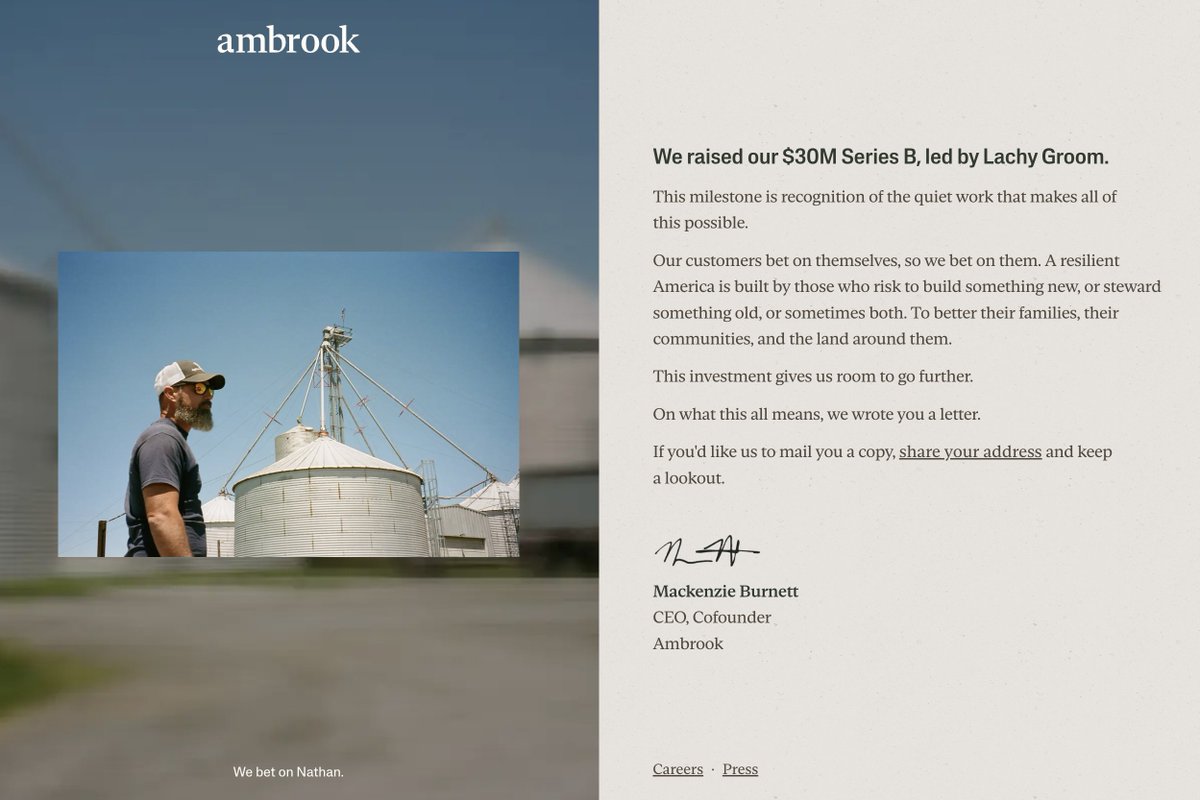
Ambrook's Unique Marketing Strategy Emphasizes Customer Focus
The post praises Ambrook's approach to building its brand, highlighting a simple announcement site that focuses on its target customers and intentionally slows down the information delivery by using a physical letter for further details. This strategy is seen as a form of earned differentiation.

Sam Altman on AI's Impact on Future of Work
Sam Altman suggests that concerns about AI taking jobs echo historical shifts, where past generations might not recognize modern work as "real." He believes human drives will ensure new forms of meaningful work emerge, despite short-term transition worries.